description: JIS vs DIN vs BCI truck battery standards explained — how the three major sizing and rating systems differ, their markets, and how to convert between them when sourcing batteries. type: article date_published: 2026-08-30 date_modified: 2026-08-30 faq: - q: What is the difference between JIS, DIN and BCI battery standards? a: They are three regional sizing and rating systems. JIS (Japan/Asia) uses model codes like N150/N200; DIN (Europe) uses capacity codes like DIN88/DIN100; BCI (North America) uses group numbers like 31/8D. Each also defines its own cold-cranking test. - q: Are JIS and DIN batteries interchangeable? a: Not directly. They use different dimensions and terminal layouts. You must match the standard your vehicle uses, or verify a cross-reference for your specific model. - q: Can I convert CCA between standards? a: No simple universal conversion exists. SAE, EN and JIS cold-cranking ratings are measured differently. Compare within the same standard, or consult manufacturer cross-reference data. - q: Which standard does my truck use? a: It depends on the market the vehicle was built for: JIS for Japan/Asia/Africa/Middle East, DIN for Europe, BCI for North America. Check the battery label or vehicle manual. - q: Why does the same battery have different CCA ratings? a: Different standards test at different temperatures and voltage cutoffs, so the same physical battery can carry a higher number under one standard than another. Always compare like-for-like.
JIS vs DIN vs BCI Truck Battery Standards
TL;DR — Three regional standards govern truck battery sizing and rating: JIS (model codes like N150/N200), DIN (capacity codes like DIN88/DIN100) and BCI (group numbers like 31/8D). They are not directly interchangeable — always match the standard your vehicle uses.
Representative Models
| JIS heavy-duty (N150) | DIN heavy-duty (DIN88) |
|---|---|
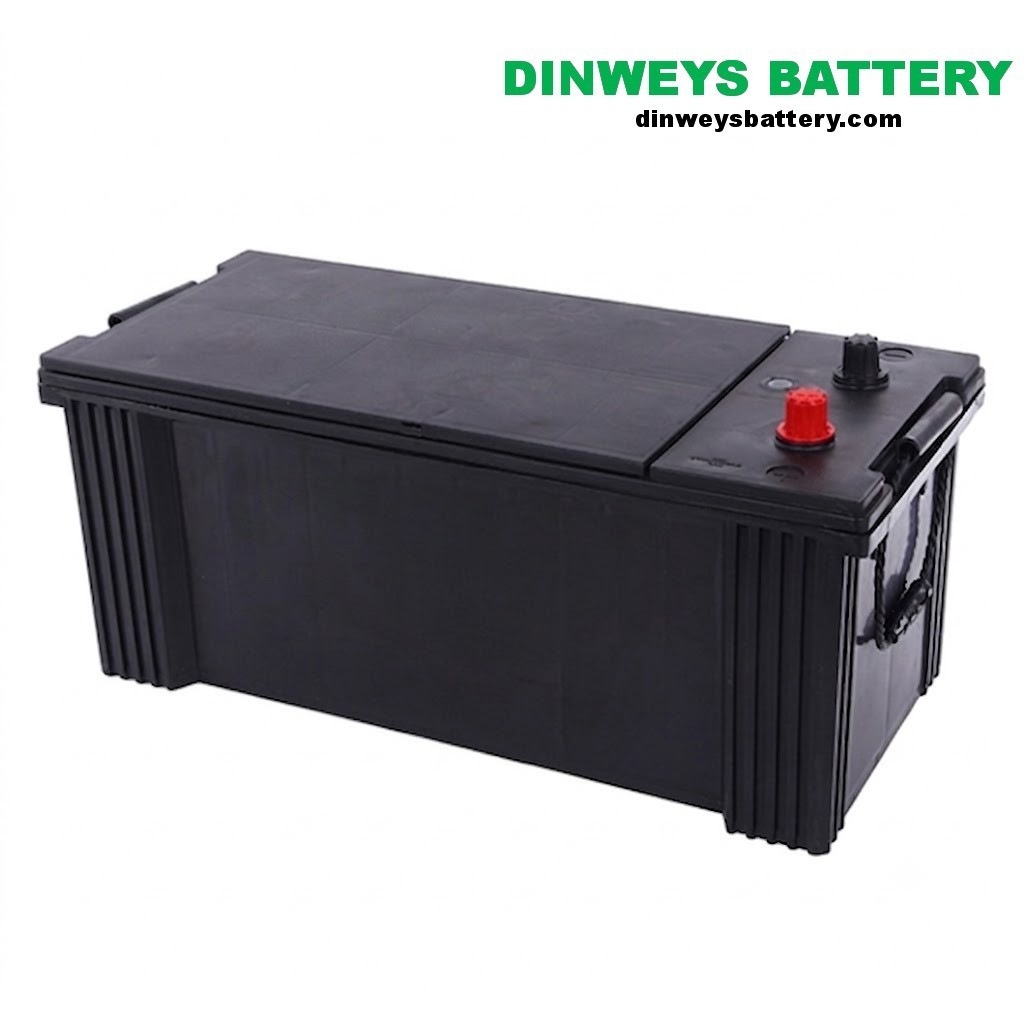 |
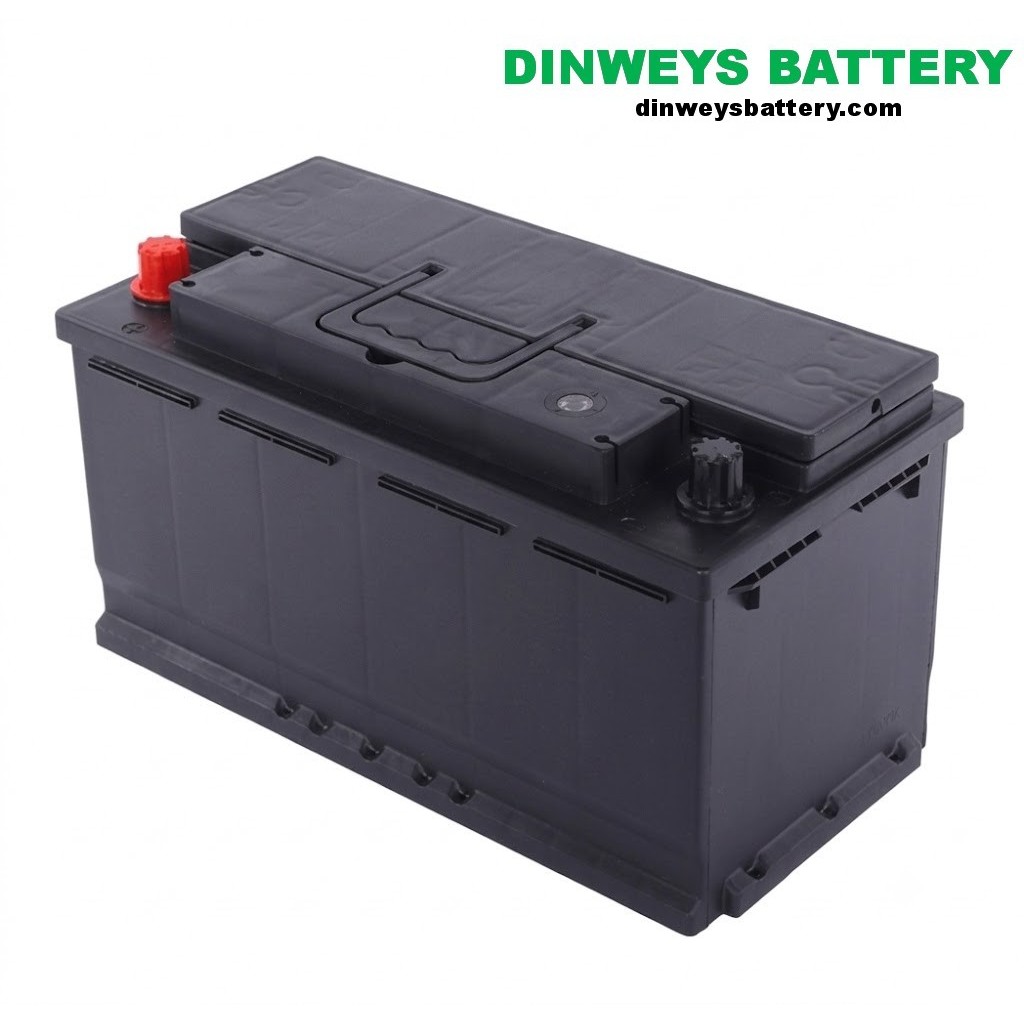 |
The Three Standards at a Glance
| Standard | Issuing body | Primary markets | CCA test | CCA test temp | Heavy-duty codes |
|---|---|---|---|---|---|
| JIS | Japanese Industrial Standards | Japan, Asia, Africa, Middle East | JIS D5301 | −15°C | N150, N200 |
| DIN/EN | Deutsches Institut für Normung | Europe, Middle East, North Africa | EN 50342-1 | −18°C | DIN88, DIN100 |
| BCI | Battery Council International | North America, Latin America | SAE J537 | −18°C | Group 31, 8D |
How the Codes Work
- JIS — large commercial batteries use a model code where the number tracks size and capacity (e.g. 145G51 = N150, 190H52 = N200). Terminals are typically right-positive.
- DIN — the code reflects capacity in amp-hours (e.g. DIN88 = 88Ah, DIN100 = 100Ah). Terminals are typically left-positive.
- BCI — group numbers define physical dimensions (Group 31, 8D, 4D) independently of electrical rating.
Why They Are Not Interchangeable
- Different dimensions — a JIS N150 and a BCI Group 31 are not the same physical size.
- Different terminals — terminal type and left/right positive orientation differ.
- Different CCA tests — the three standards test at different temperatures and cutoffs, so the numbers are not directly comparable.
The Temperature Difference That Matters
One overlooked detail: the standards test cold-cranking at different temperatures.
- SAE J537 and EN 50342-1 test at −18°C (0°F)
- JIS D5301 tests at −15°C
Because JIS tests at a slightly warmer temperature, a JIS CCA figure is not directly comparable to an SAE or EN figure — the same battery will show a higher number under JIS than under SAE or EN. This is a common source of confusion when buyers compare batteries across markets.
The Approximate SAE↔DIN Conversion
There is no exact universal conversion between standards, but battery manufacturers publish an approximate relationship for planning. According to Yuasa's technical documentation, an approximation of the SAE to DIN cold-cranking relationship is:
SAE ≈ (DIN × 1.5) + 40
Approximation only
This is a planning approximation that varies with battery design — it is not a precise specification. For critical applications, use the manufacturer's verified cross-reference data, never a general formula.
Sourcing Implications
When importing or specifying batteries, match the standard to your target market:
| Your market | Use this standard | DINWEY availability |
|---|---|---|
| Southeast Asia, Middle East, Africa | JIS | Stocked (N150, N200) |
| Europe, Middle East, North Africa | DIN/EN | Stocked (DIN88, DIN100) |
| North America, Latin America | BCI | On request (Group 31/8D) |
References
- Battery Council International
- DIN — German Institute for Standardization
- Automotive battery — Wikipedia
- Battery codes explained: DIN, EN & JIS — Suzuki Battery
- Battery specifications guide — Yuasa
Related
Standards & sizing — explore this topic:
- JIS vs DIN engineering — a density analysis
- JIS & DIN model numbers
- BCI group sizes explained
- China GB vs JIS codes
- Maintenance-free vs serviceable JIS
- JIS N150 vs N200
- DIN88 vs DIN100
- Terminal types & orientation
Related across the hub:
Find the Right Battery
Need a specific model or datasheet? Browse the DINWEY product range (JIS heavy-duty batteries) or contact us for a quote.